A community-led sustainable design initiative.
A research-based development practice focused on designing, prototyping, advancing, and sharing community infrastructures, technologies, and systems for resource-limited contexts.
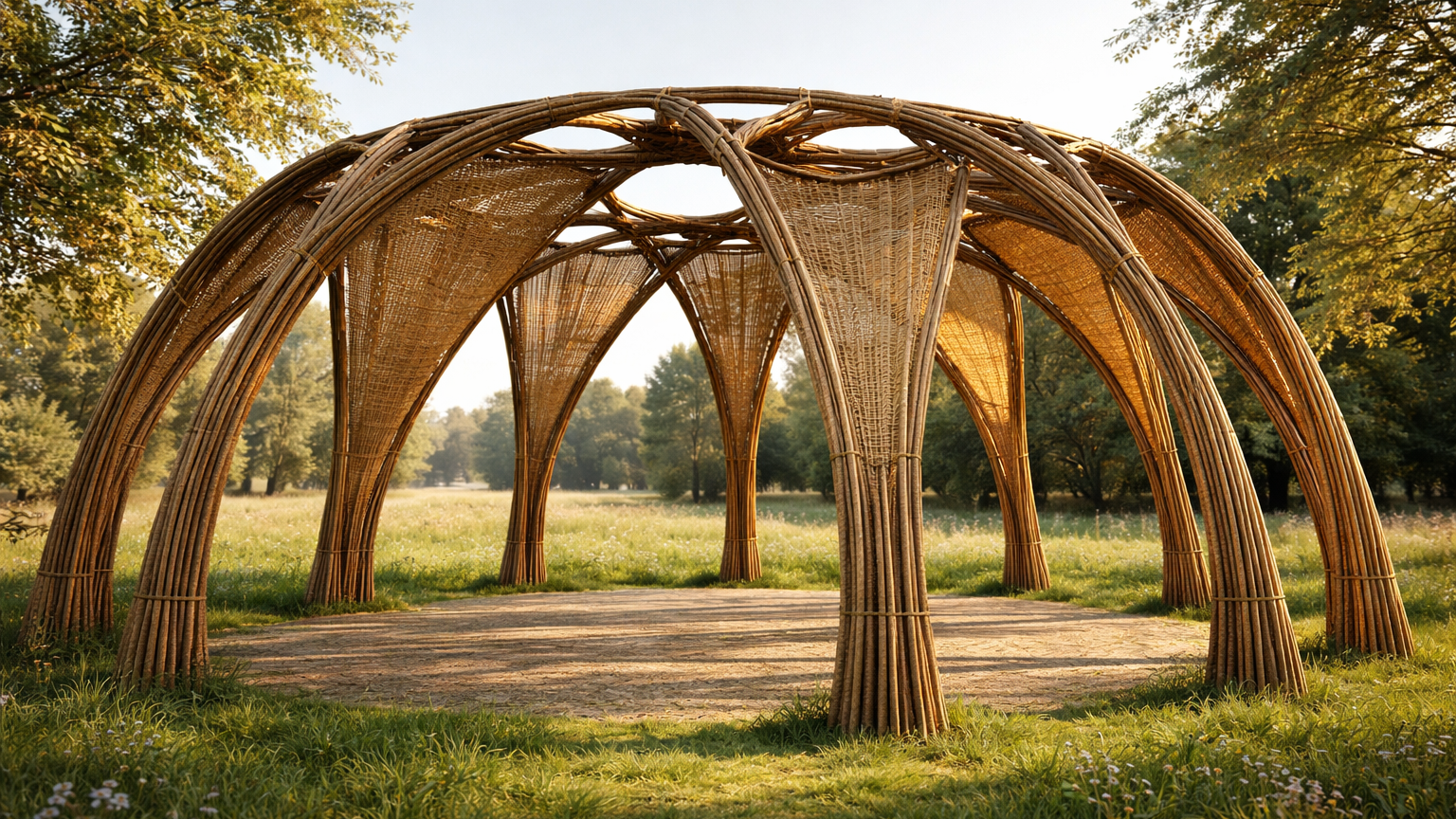
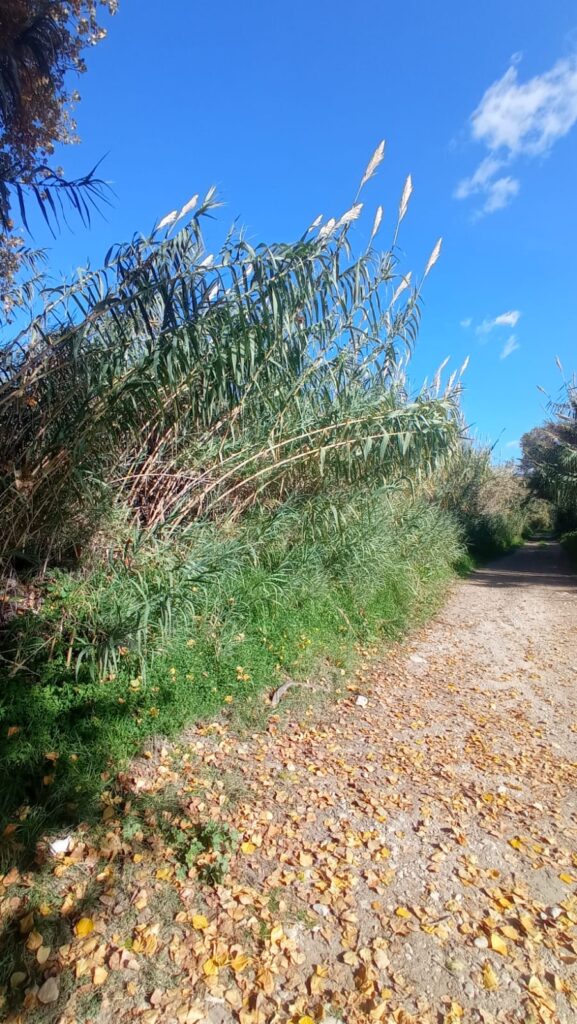
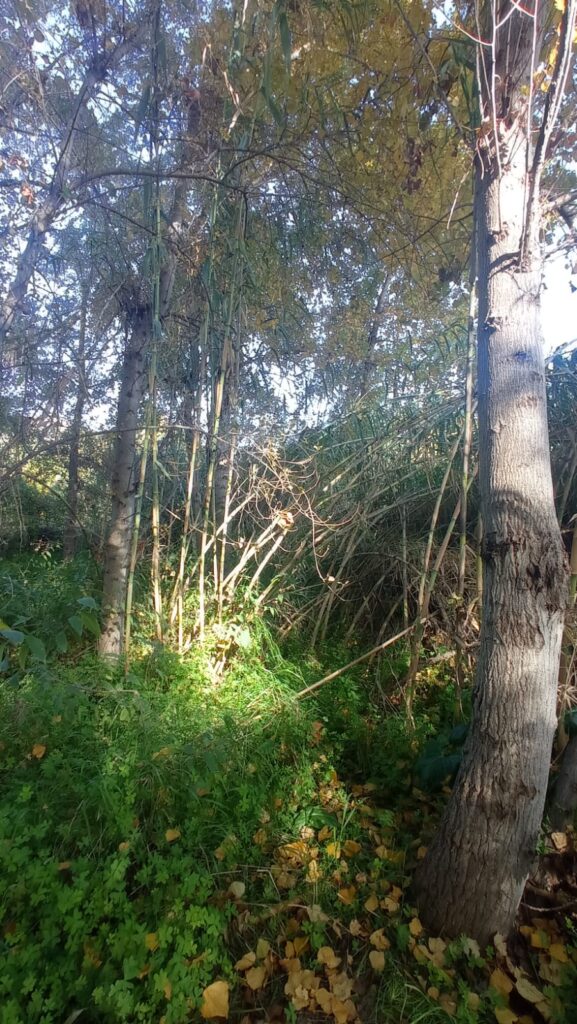
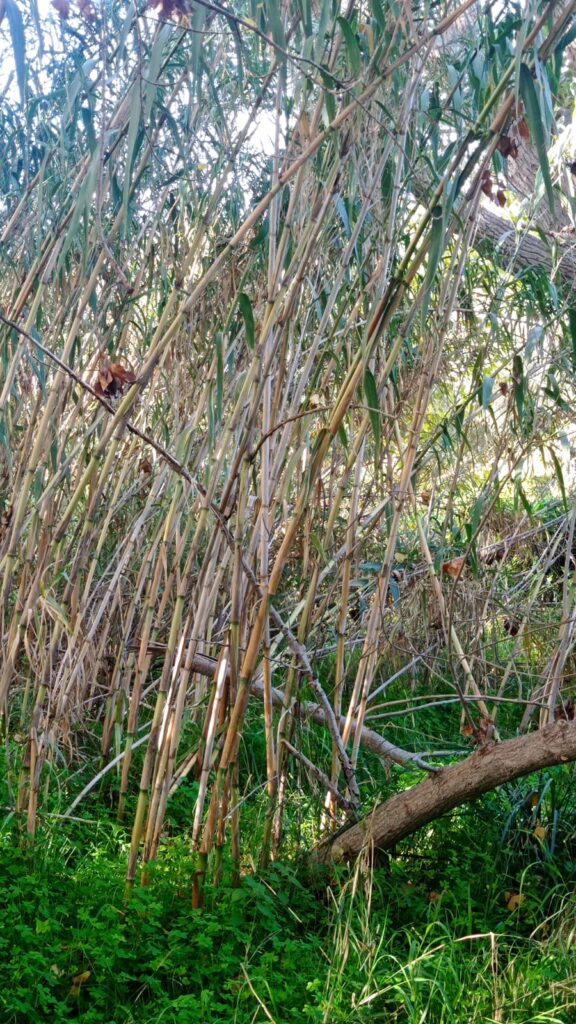
Named after river cane, material and method, a symbol of flexibility and regeneration, embodies resilience adaptability, and local intelligence.
Our Vision
We envision communities that can design, build, and maintain their own infrastructure and systems using local resources, shared knowledge, and environmentally responsible practices.
QASAB imagines a future where sustainable development is driven from the ground up—rooted in place, material intelligence, and collective learning, rather than dependency on imported solutions.
We aim to cultivate an interdisciplinary culture in which artists, designers, engineers, farmers, and craftspeople collaborate to address urgent challenges related to food security, resource scarcity, and sustainable livelihoods.
Our Mission
QASAB’s mission is to develop solutions that are human-centered, environmentally grounded, and capable of growing with the communities and landscapes they serve.
By building collaborations and relations and mobilizing skills, knowledges and resources, QASAB works to advance river cane through three mission pillars
Material Trust & Performance
Renewability
Availability
Accessibility
Ecological & Resource Value
Reliability
Durability
Longevity
Use & Design Potential
Applicability
Versatility
Adaptability
Our Approach
QASAB positions research-based design as a leading force in development, where material intelligence, creative thinking and hands-on experimentation guide solutions from the start.
QASAB works from research to practice. We treat design as a way of learning, developed through work in real-life conditions. Cross-sector dialogue, experimentation, trial and error, testing, and refinement are central to our approach and essential to meaningful innovation.
We explore successful practices and models from other contexts, adapt and replicate them where appropriate, and combine them with local knowledge to generate context-responsive solutions.
This process allows systems to evolve gradually, ensuring they remain repairable, adaptable, and governed by the people who use them.
In Practice
“Areas of Work”
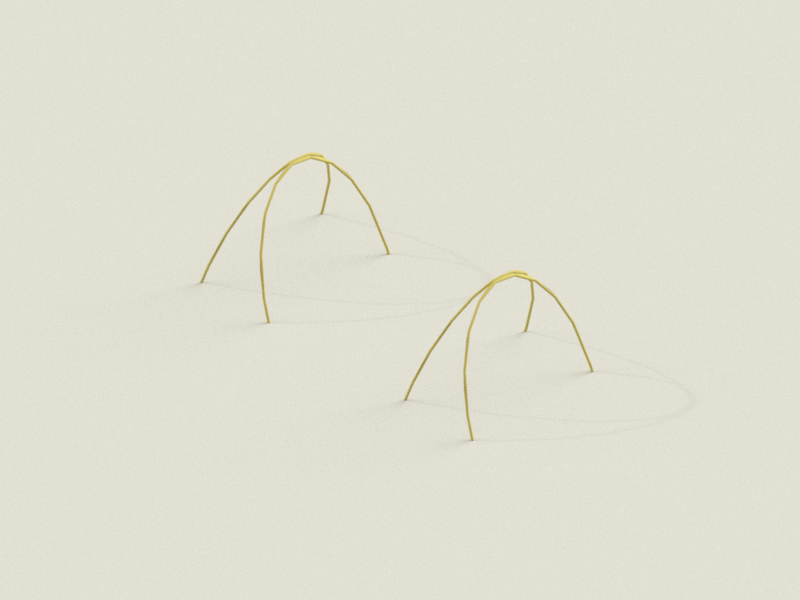
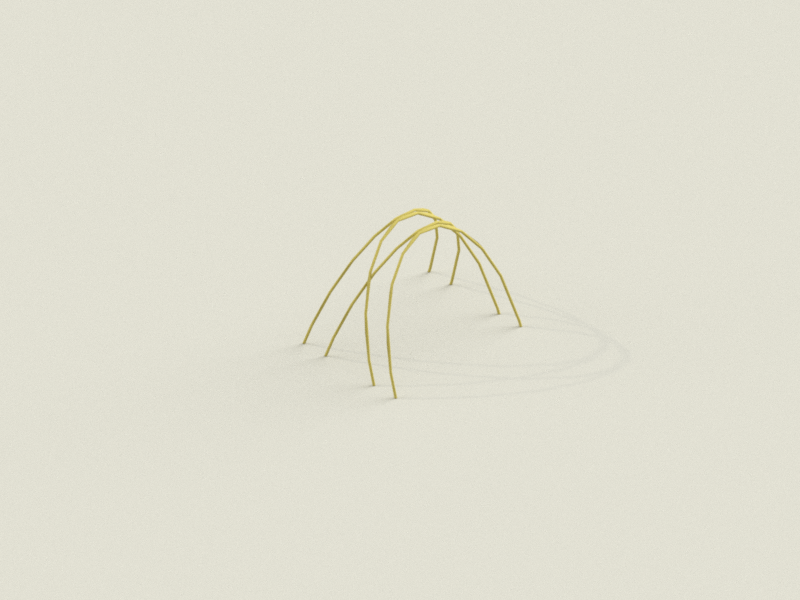
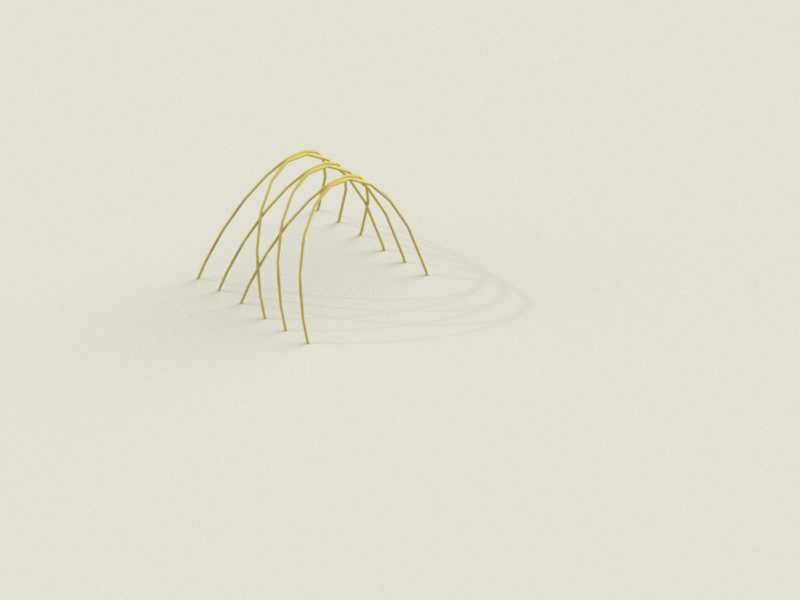
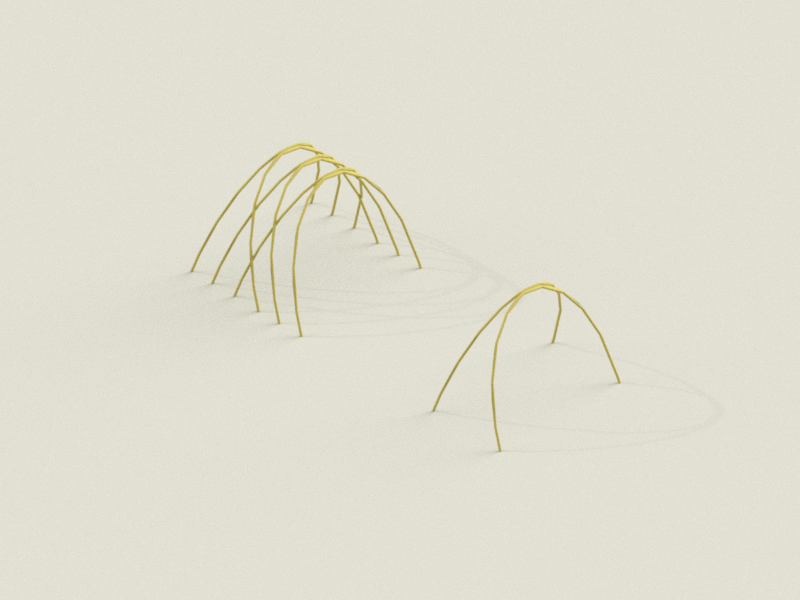
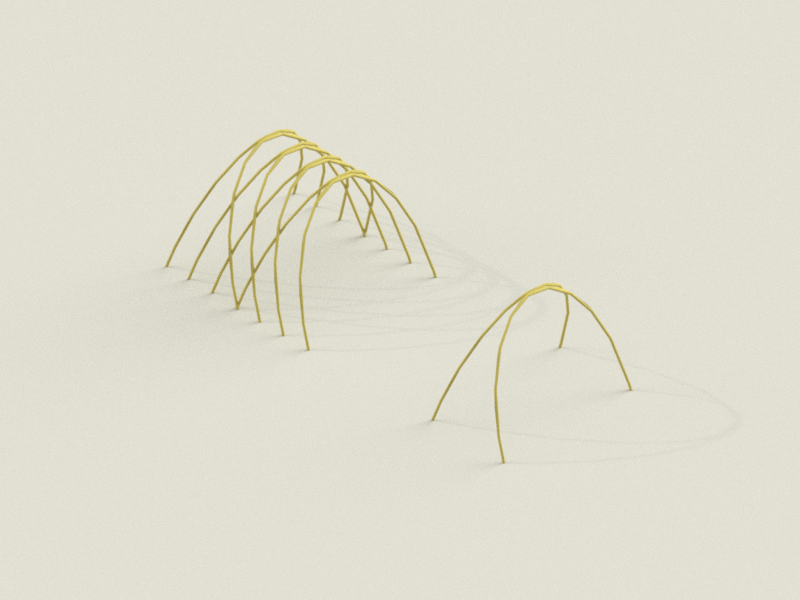
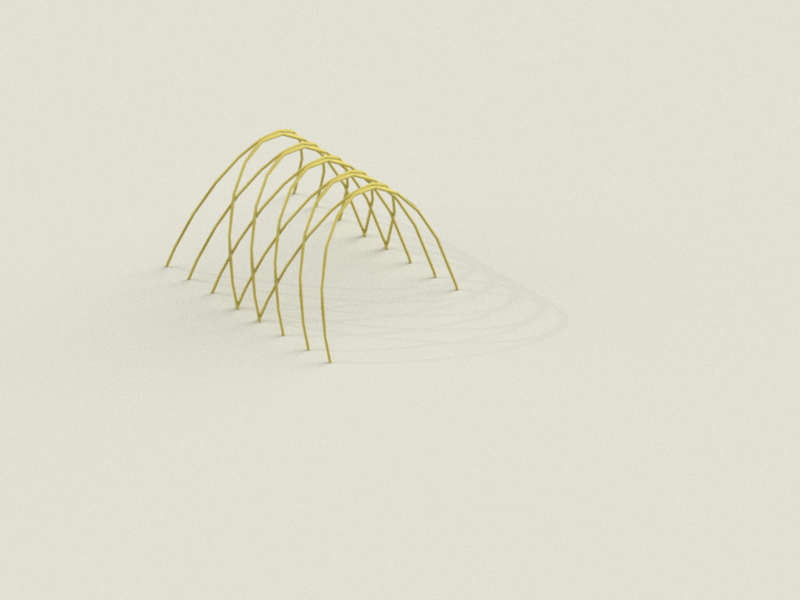
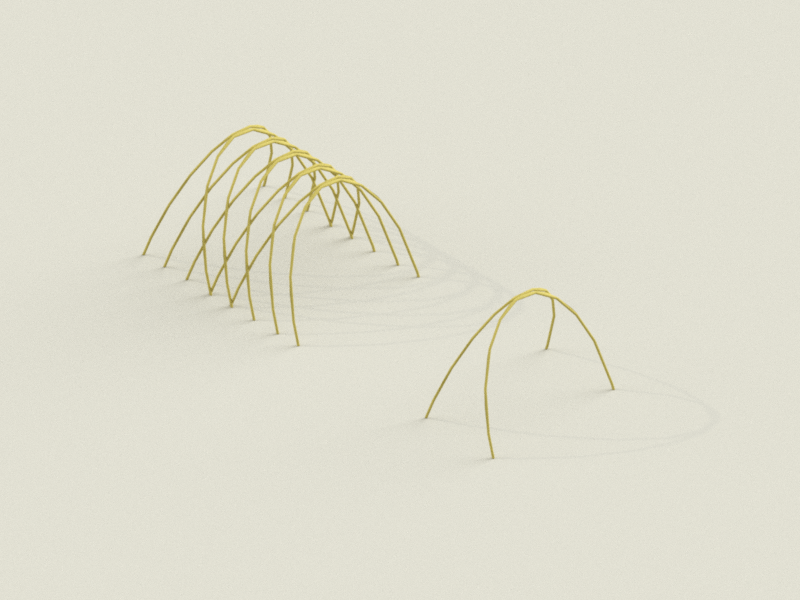
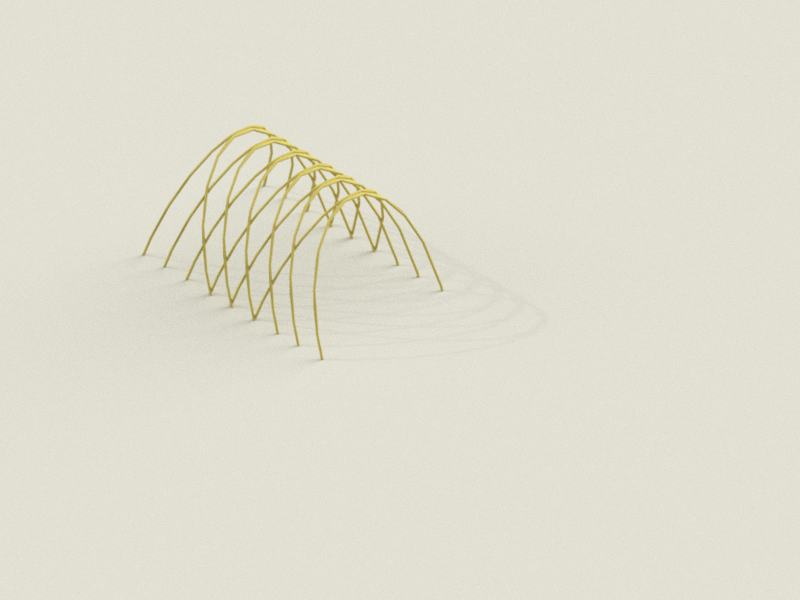
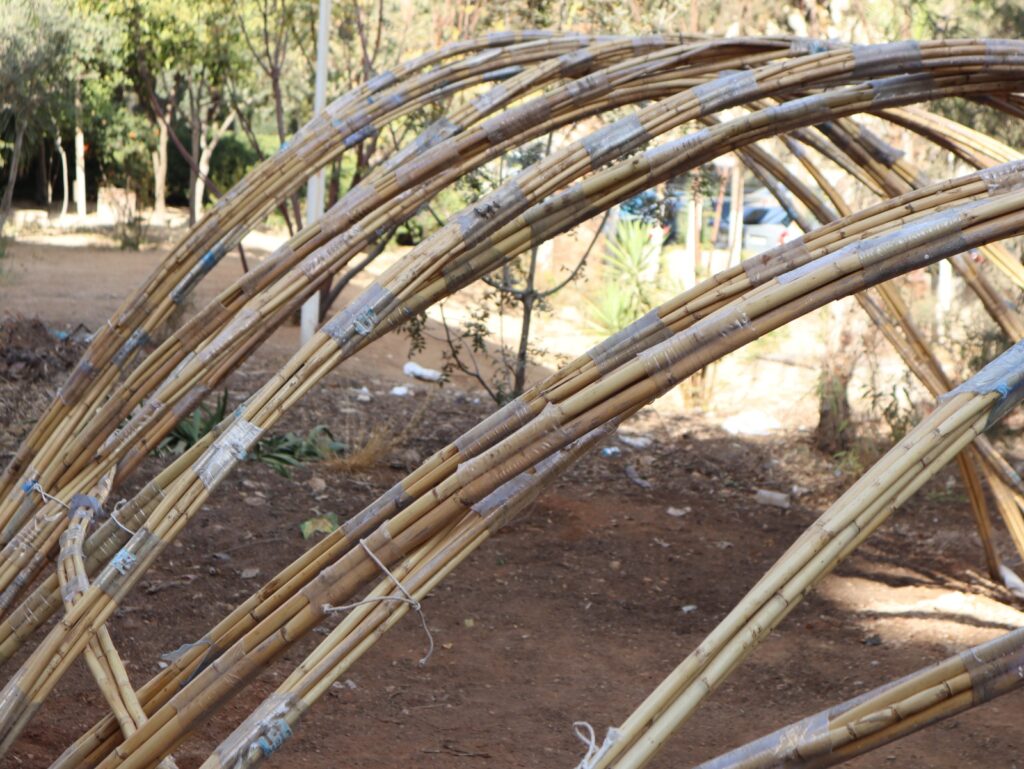
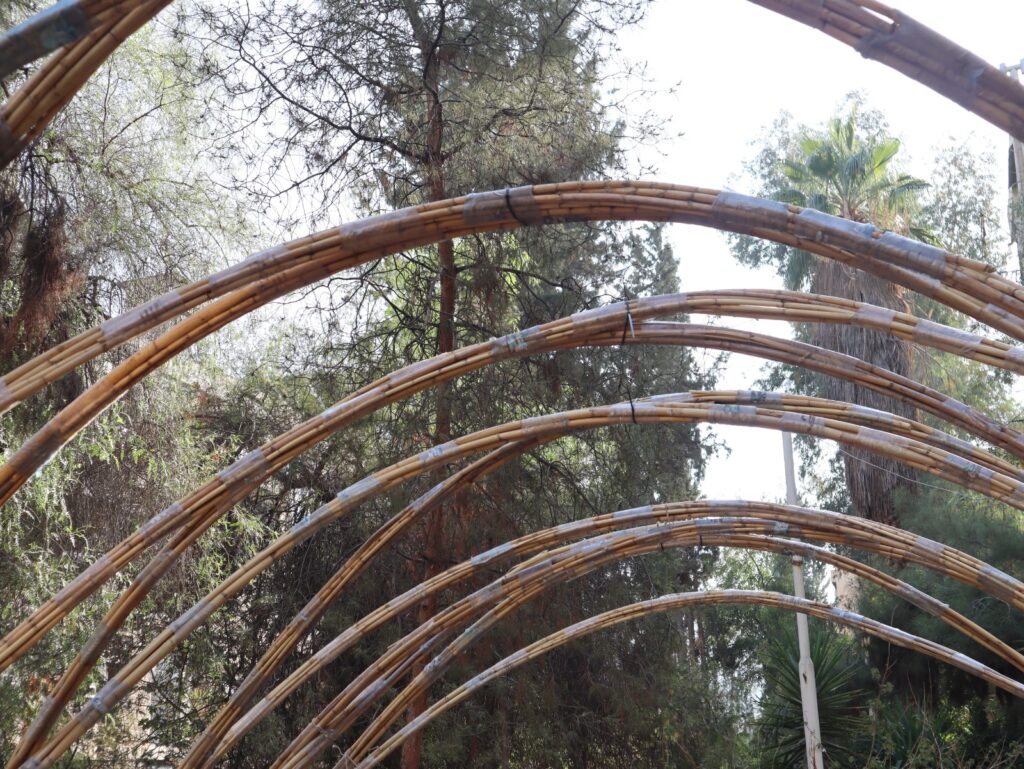
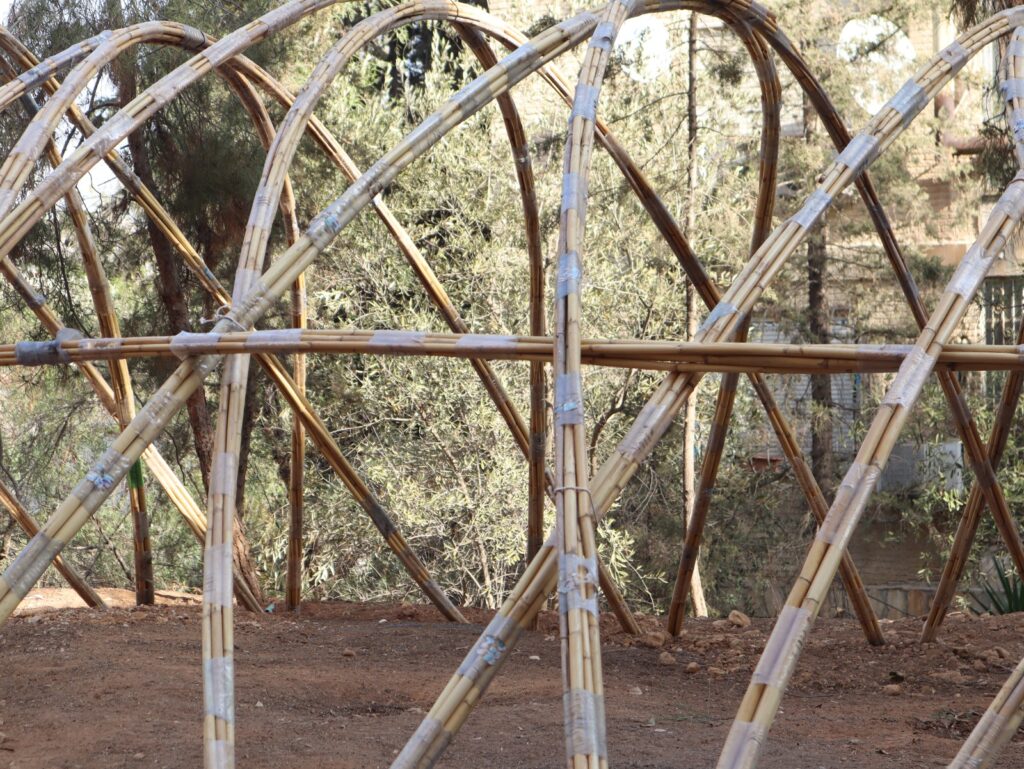
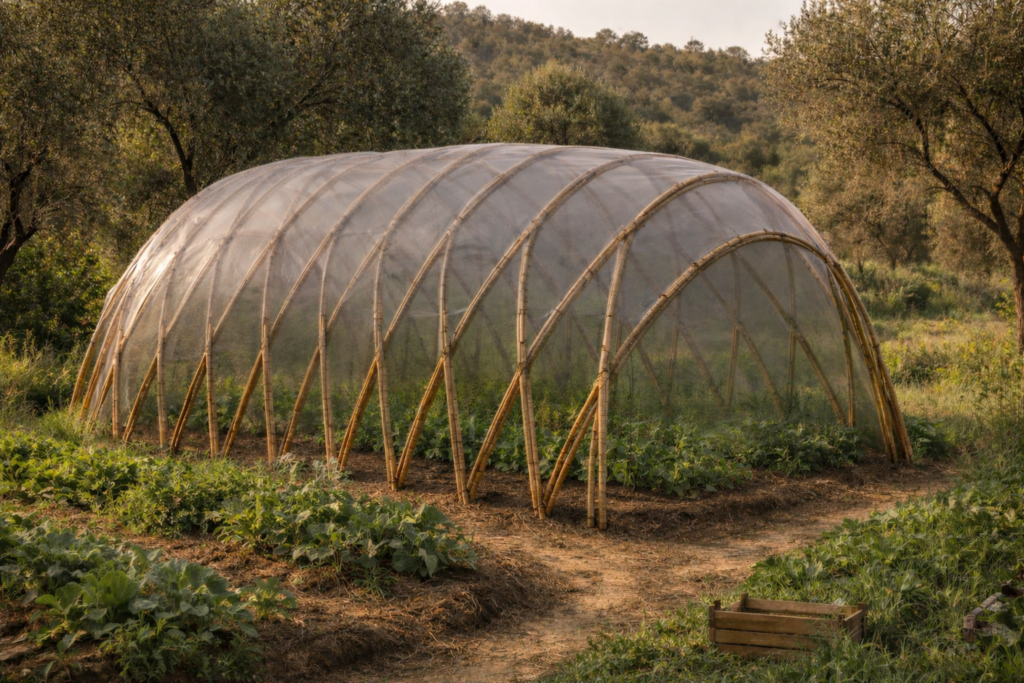
using natural and reclaimed materials, we develop and build, practical, low cost, success proved solutions, focusing on agricultural, rural, and urban infrastructure and adaptive structures and systems.



Projects
ArduMai LAB
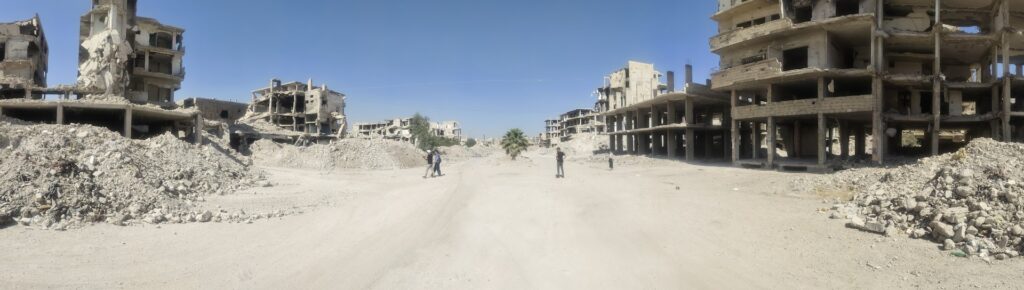
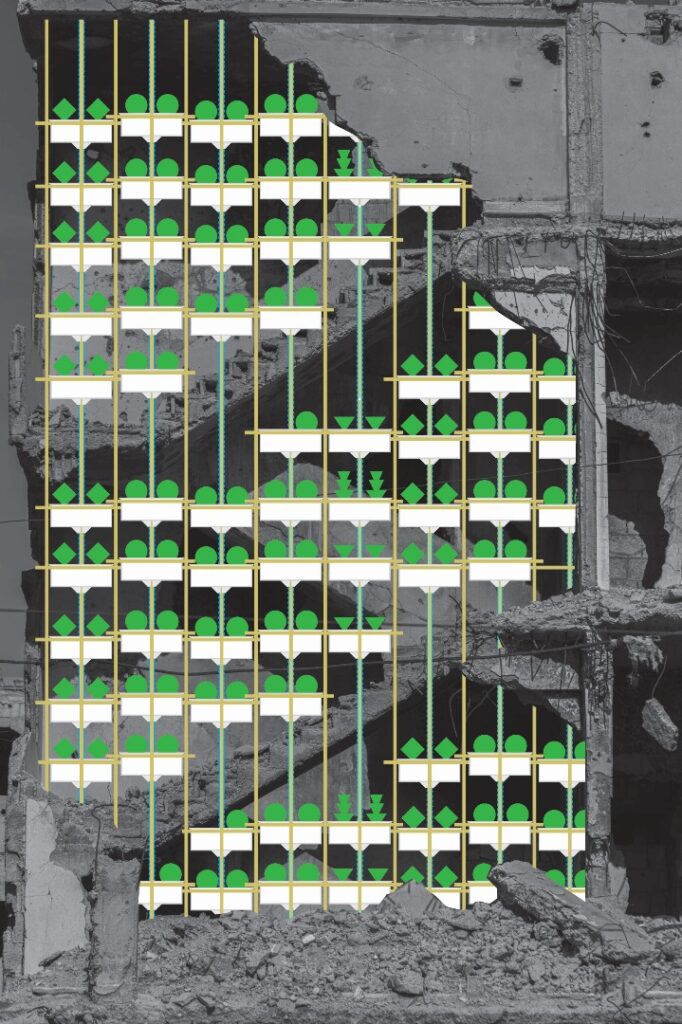
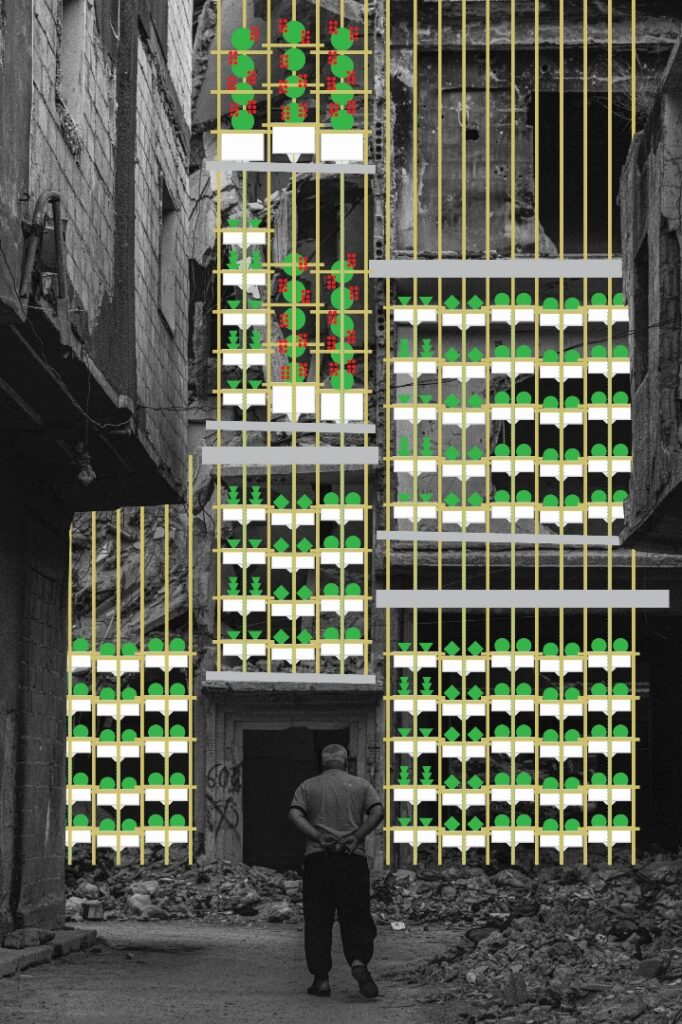
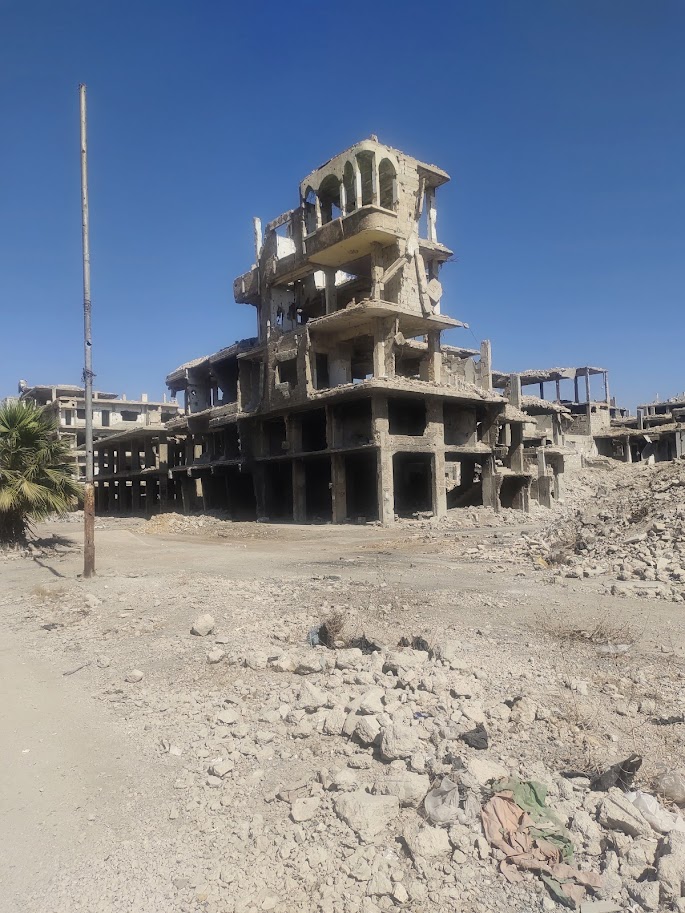
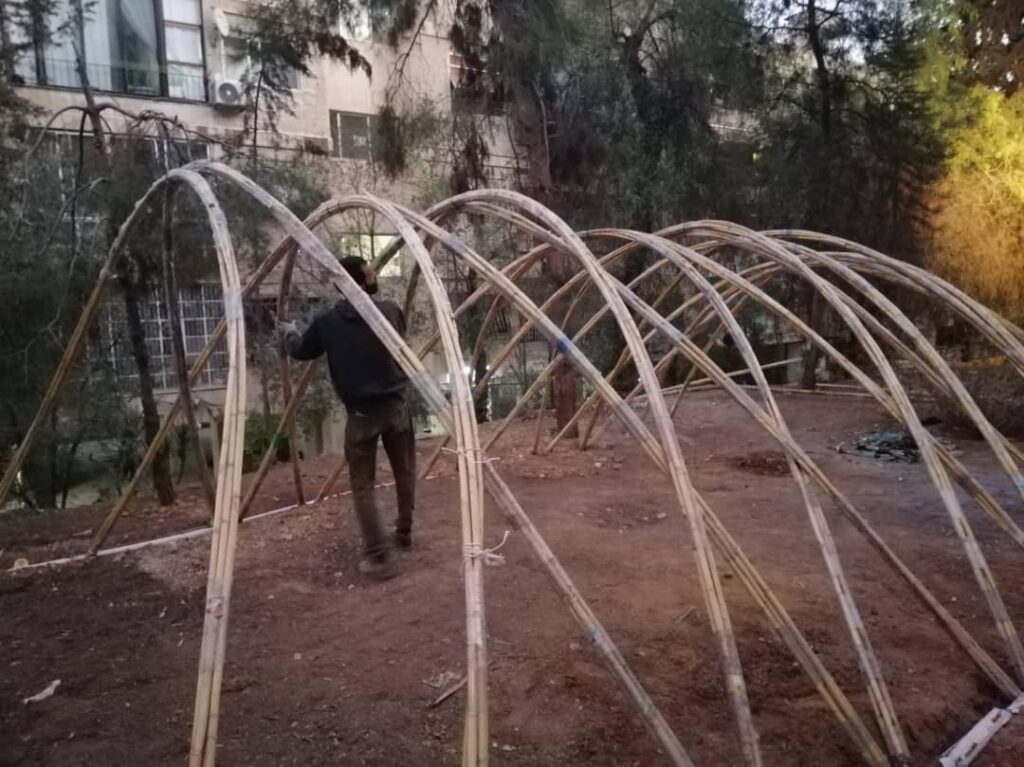
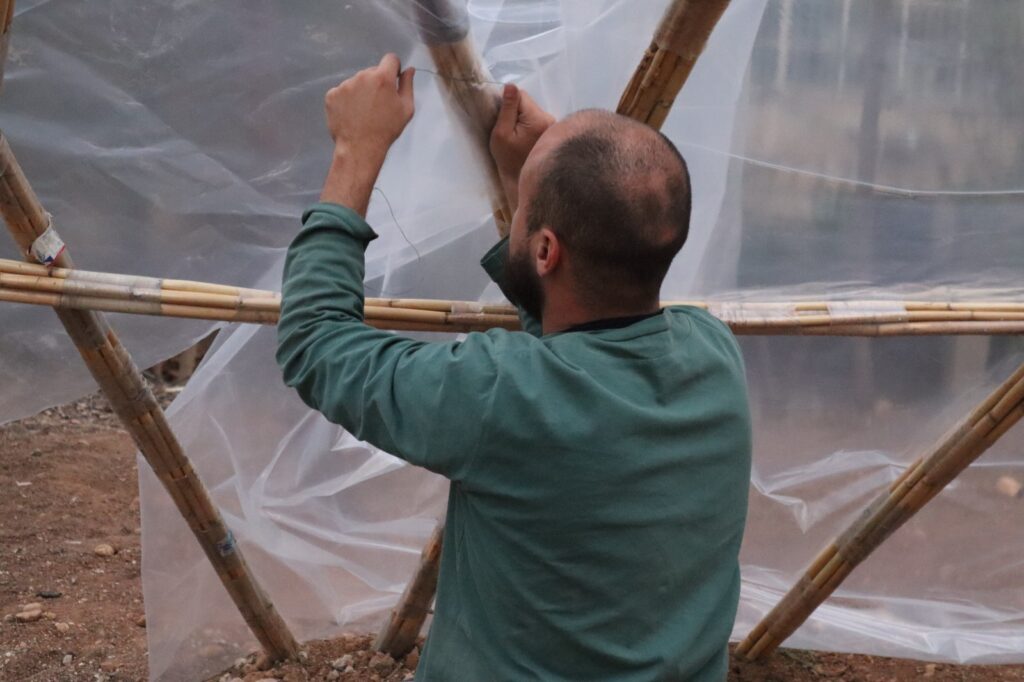
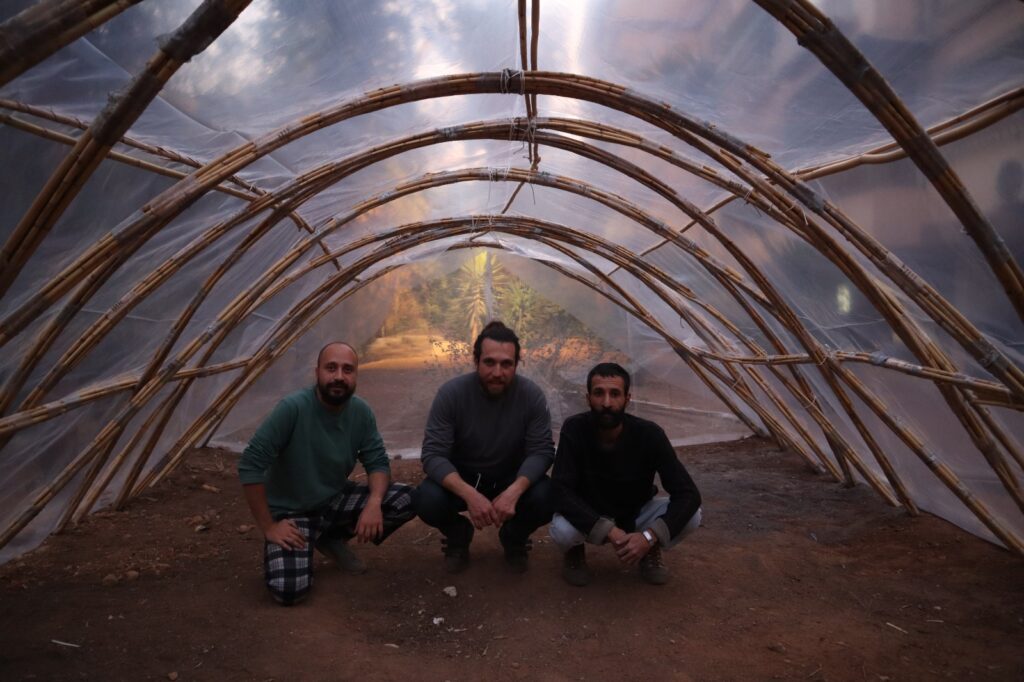
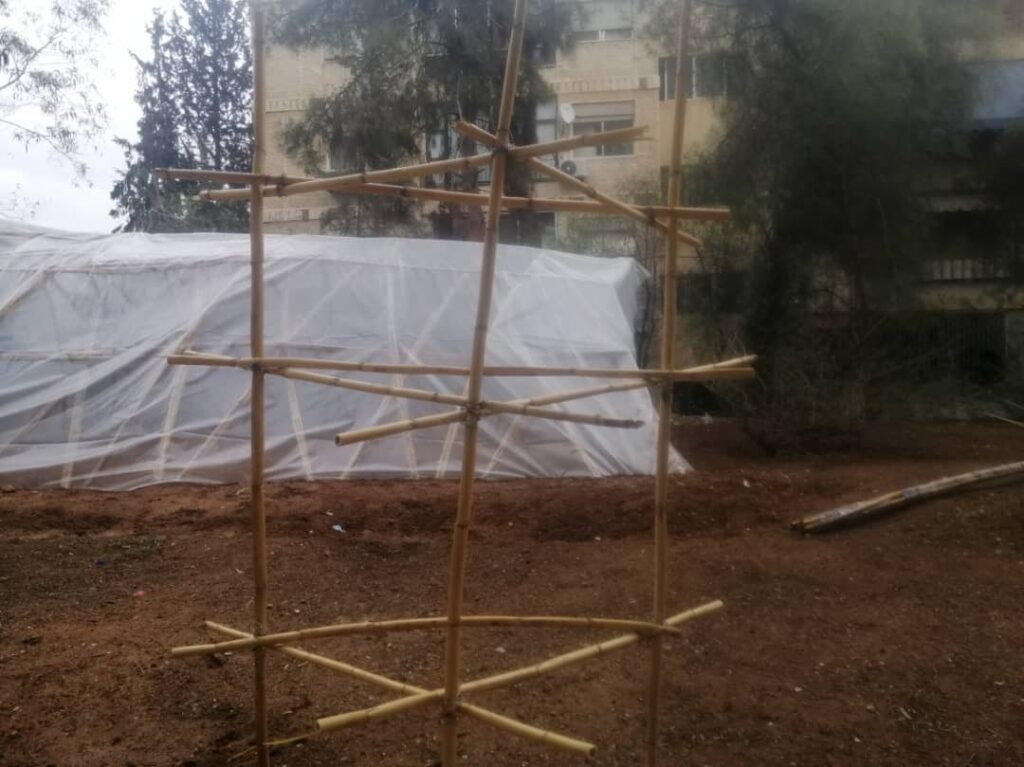
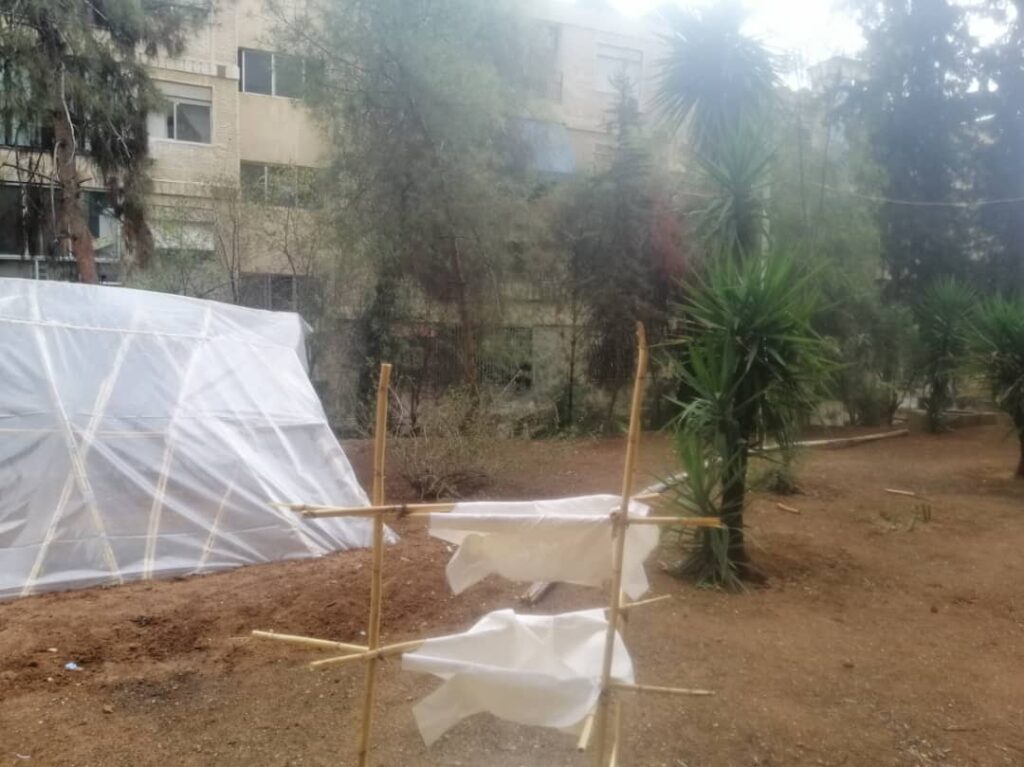
ArduMai LAB is QASAB’s first field-based project in Syria—a long-term, collaborative initiative focused on resilient food systems and community-driven, climate-responsive agro-technologies.
The project operates as a holistic sustainable-design action, co-created by the QASAB design team in collaboration with farmers, agricultural engineers, environmental experts, and a network of electromechanics and mechatronics practitioners. ArduMai LAB develops appropriate, low-cost solutions through hands-on experimentation, local materials, and shared learning in real field conditions.
Community-Centered, Open & Collaborative
Side by side, we work with the communities to exchange knowledge and openly present our methods to encourage replication and learning across regions. Designers work alongside farmers, engineers, craftspeople, researchers, and communities to co-create solutions from the ground up.
Local communities hold deep, place-based knowledge, skills, and lived experience shaped by their environments and histories. QASAB brings contemporary research, design methodologies, systems thinking, and access to wider professional networks.

[Explore more about ArduMai LAB →
QASAB is a Syria-based Sustainable Design collective working at the intersection of natural materials, agriculture, architecture, and community-led experimentation.
We design, test, and build practical low-cost, climate-responsive solutions for fragile and resource-limited contexts, grounded in community-led research, natural materials, and agricultural and rural infrastructure.
QASAB refers to river cane—one of our primary materials and a guiding metaphor.
Like cane, our work is locally rooted, flexible, and structurally intelligent. While we work with a wide range of natural and reclaimed materials, qasab represents an approach to design that grows from place, practice, and collective knowledge.
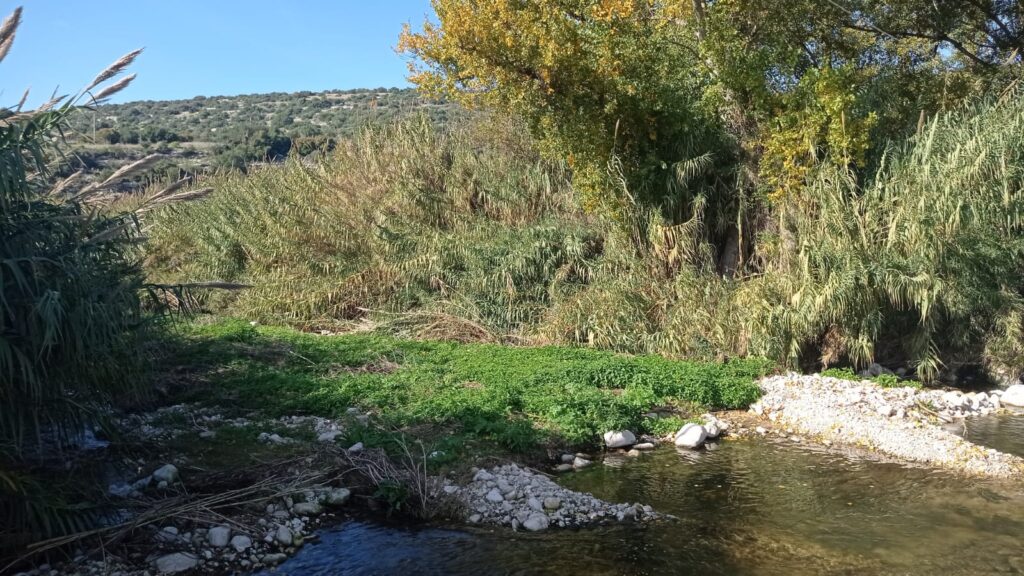
Our work takes place in real-world conditions, through hands-on experimentation and shared learning. We develop knowledge through practice in real contexts.
We collaborate with multidisciplinary researchers, academics, and practitioners to develop ideas, design, prototype, and test solutions through real-world use, shared learning, and open documentation.
Get Involved
[Projects] [Contact] [Documentation]